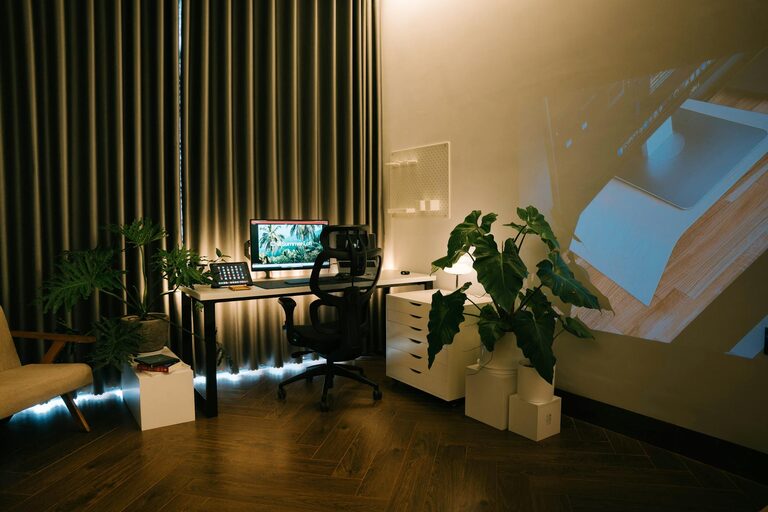

Creating a home office that supports productivity and focus can make a significant difference to your work-from-home experience. Whether you have a dedicated room or a small corner, organising your workspace thoughtfully is key to maintaining motivation and efficiency. In this post, we will explore practical tips on setting up a productive home office space, from choosing the right furniture to managing clutter and establishing routines.
Why a Well-Organised Home Office Matters
A cluttered or poorly arranged workspace can cause distractions, reduce motivation, and lead to discomfort. Conversely, a tidy, personalised, and ergonomic environment helps you concentrate on tasks, promotes better posture, and encourages a positive attitude towards work. As many of us continue to work remotely, taking time to organise your home office properly is more important than ever.
Choosing the Right Location
Find a Quiet, Dedicated Space
Select a spot in your home with minimal noise and interruptions, preferably away from high-traffic areas. If possible, designate a specific room or corner exclusively for work to mentally separate professional time from relaxation.
Maximise Natural Light
Position your desk near a window to benefit from natural daylight, which can improve mood and reduce eye strain. However, be mindful of glare on your computer screen. Use blinds or curtains to control light levels when necessary.
Furniture and Equipment Essentials
Invest in an Ergonomic Chair and Desk
Comfort is crucial, especially if you spend long hours at your desk. Choose a chair that supports your lower back and allows you to keep your feet flat on the floor. Your desk should be at a height where your forearms rest comfortably when typing.
Keep Equipment Functional and Efficient
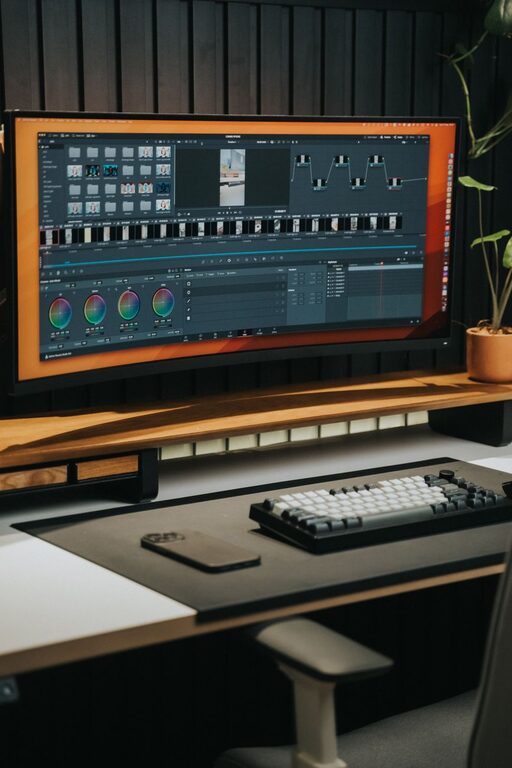
Ensure your computer, printer, and other essential devices are in good working order. Use a reliable internet connection and invest in accessories like a keyboard, mouse, or monitor stand to enhance comfort and productivity.
Optimising Your Desk Layout
Prioritise Frequently Used Items
Place the tools you use most often within arm’s reach to reduce unnecessary movement and interruptions. This can include your phone, notepad, pens, or reference materials.
Minimise Clutter
Keep your desktop clear by using organisers such as trays, pen holders, and cable management solutions. A tidy surface can help reduce distractions.
Use Vertical Space
Shelving units or wall organisers can free up desk space and keep important documents or items visible but out of the way.
Organising Digital Files and Paperwork
Create a Filing System
Whether digital or physical, organise your files into folders or labelled boxes. Make sure the system is easy to maintain and suits your workflow.
Regularly Declutter
Schedule time each week or month to sort through documents and delete unnecessary files. This habit prevents build-up and keeps your workspace efficient.
Personalising Your Workspace Wisely
Add Inspiring Elements
Incorporate items that motivate you, such as artwork, plants, or photos, but avoid overcrowding. A few personal touches can create a more enjoyable atmosphere.
Maintain Professionalism
If you frequently join video calls, consider the background appearing on screen. Keep it neat and uncluttered to project a professional image.
Managing Time and Breaks
Use Timers or Apps
Tools that encourage time management techniques like the Pomodoro method can help maintain focus and prevent burnout.
Schedule Regular Breaks
Step away from your desk periodically to stretch, hydrate, or relax. This helps maintain energy levels and prevents fatigue.
Keeping the Space Clean and Comfortable
Establish a Cleaning Routine
Dust, wipe surfaces, and vacuum regularly to maintain a fresh and hygienic workspace.
Control Temperature and Air Quality
Keep the room at a comfortable temperature and ensure good ventilation to enhance concentration and wellbeing.
Final Thoughts
Organising a home office space for productivity is about balancing function and comfort. By selecting the right location, investing in ergonomic furniture, managing clutter, and creating a pleasant atmosphere, you can build an environment that supports your work effectively. Remember, the key is to create a space that suits your unique needs and preferences while minimising distractions.
With these tips in mind, you’re well on your way to turning your home office into a productive haven. Happy organising!
About the Author