
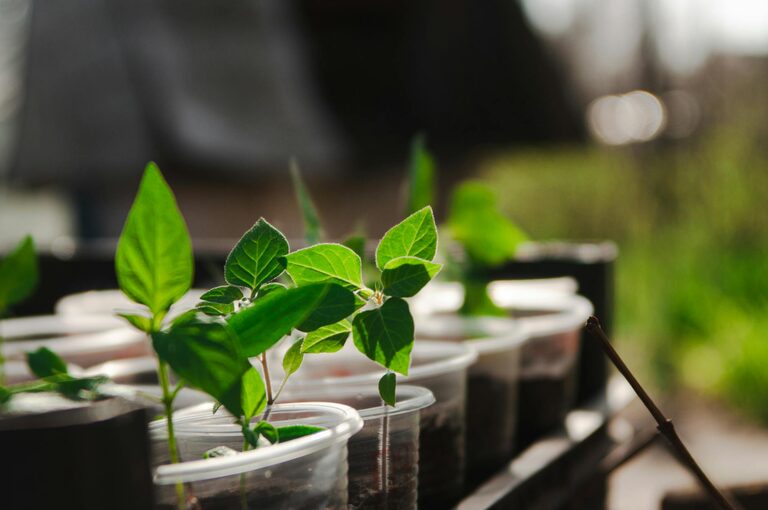
Creating a sustainable home garden is a wonderful way to connect with nature, reduce your environmental impact, and grow your own fresh produce. The good news is that you don’t need to spend a lot of money to create a garden that’s both eco-friendly and beautiful. With a bit of planning and creativity, anyone can cultivate a sustainable garden on a budget. Here are some practical tips to help you get started.
Why Choose a Sustainable Garden?
A sustainable garden is designed to work in harmony with the natural ecosystem. It uses resources wisely, supports biodiversity, and reduces waste. Beyond the environmental benefits, it can also save you money on groceries and reduce water bills, while providing a relaxing outdoor space.
Planning Your Garden
Assess Your Space and Soil
Begin by evaluating your available space, whether a backyard, balcony, or windowsill. Even small areas can support container gardens or vertical planting. Also, test your soil — many garden centres or community groups offer free or low-cost soil testing. Knowing your soil type helps you choose the right plants and amendments, preventing wasteful spending on unnecessary products.
Choose the Right Plants
Opt for native and drought-tolerant plants when possible. These species usually require less water and maintenance, thriving naturally in your local climate. Perennials—plants that last for several years—are also cost-effective over time, reducing the need to replace them annually. Consider growing vegetables and herbs you frequently use to maximise the benefit of your home-grown produce.
Soil and Composting on a Budget
Healthy soil is the foundation of sustainable gardening. Instead of buying expensive fertilisers, consider creating your own compost from kitchen scraps, garden waste, and fallen leaves. Composting not only enriches the soil but also reduces the amount of waste sent to landfills.
If space is limited, try vermicomposting using worms in a small bin. This method is suitable for balconies or indoors and produces nutrient-rich compost quickly.
Water Wisely
Water is a precious resource, so it’s important to use it efficiently in your garden.
– Collect Rainwater: Set up simple rainwater harvesting systems with barrels or even large containers placed under downspouts. Rainwater is free and often better for plants than tap water.
– Water in the Morning or Evening: This reduces evaporation and ensures plants absorb more water.
– Use Mulch: A layer of organic mulch like straw, cardboard, or wood chips helps retain moisture and suppress weeds.
– Choose Drip Irrigation or Soaker Hoses: These targeted watering methods save water by delivering it directly to the roots.
Recycling and Upcycling Materials
Get creative by reusing materials in your garden project – not only does this save money, but it also reduces waste.
– Use old pallets, crates, or tyres as planters.
– Turn glass jars into cloches or mini-greenhouses for seedlings.
– Repurpose kitchen containers or tins as pots.
– Build compost bins with scrap wood or wire mesh.
Sharing and swapping seeds with friends or community gardening groups is another cost-effective way to diversify your plants.
Natural Pest Control
Avoid chemical pesticides by encouraging beneficial insects like ladybirds, lacewings, and bees. Planting companion plants such as marigolds, nasturtiums, or herbs like basil and mint can help repel common pests naturally.
If you notice pests, try gentle remedies like neem oil, soapy water sprays, or hand-picking before turning to stronger options.
Reduce Waste and Energy Use
– Grow your own seedling trays from egg cartons or toilet rolls instead of buying plastic ones.
– Combine companion planting to utilise space efficiently and improve plant health.
– Practice crop rotation and intercropping to maintain soil fertility and prevent disease.
– Use solar-powered garden lights or tools to reduce electricity consumption.
Engage with Your Community
Many towns have community garden projects, seed libraries, or swap events where you can exchange plants, seeds, tools, and advice. These connections can save money and deepen your gardening knowledge.
Local botanical gardens or council websites often offer free resources, workshops, and seasonal tips tailored to your area.
Maintaining Your Garden Affordably
Regular maintenance keeps your garden healthy and reduces costly problems later:
– Keep an eye out for weeds and remove them early.
– Prune plants when necessary to encourage growth.
– Harvest fruits and vegetables as they ripen.
– Save seeds from your healthiest plants for next season.
By investing a little time regularly, you avoid expensive replacements and keep your garden thriving.
Final Thoughts
Sustainable gardening on a budget is entirely achievable with thoughtful planning and simple strategies. By using natural methods, reusing materials, and making the most of what you have, you can create a rewarding garden space that benefits both you and the planet. Whether your garden is a few pots on a balcony or a large backyard, every effort counts towards a greener, more sustainable lifestyle. Happy gardening!
About the Author