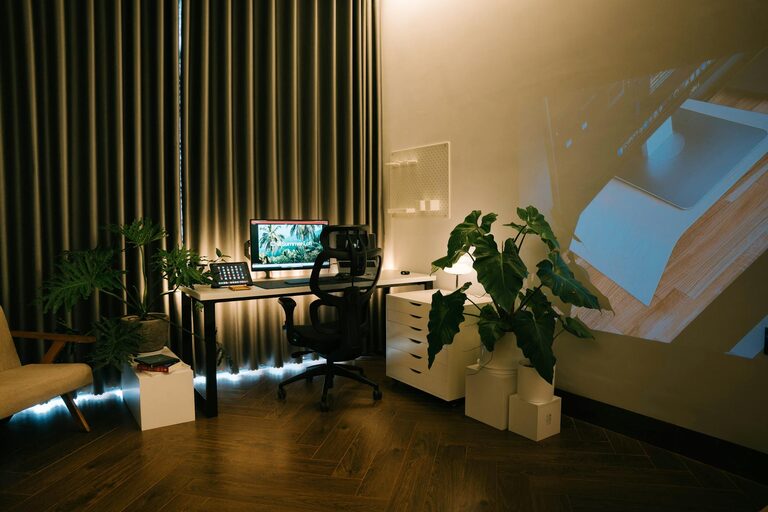
Creating a productive home office environment is essential for anyone working remotely or frequently from home. A dedicated workspace that supports your work habits can improve focus, reduce stress, and help maintain a healthy work-life balance. Whether you’re setting up a brand-new office or refining your existing space, the following tips will guide you in designing a comfortable and efficient home office.
1. Choose the Right Location
The location of your home office plays a crucial role in your productivity.
– Quiet and Private: Pick a space away from noise and household distractions to help you concentrate.
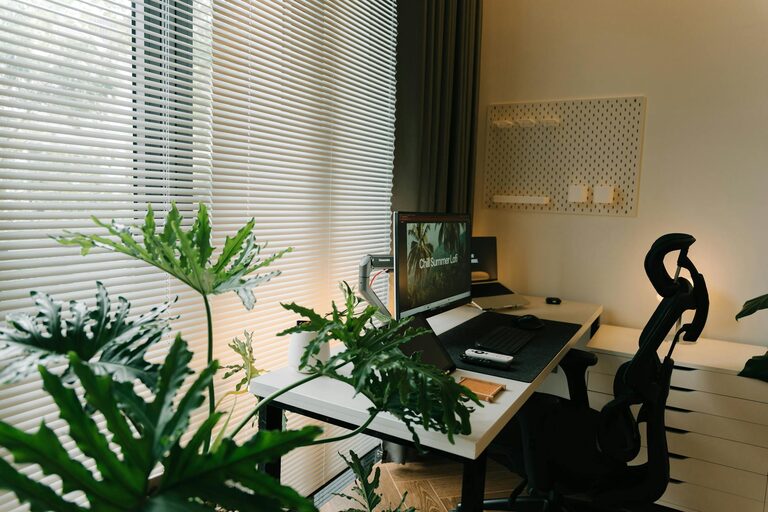
– Natural Light: Opt for a spot near a window to benefit from natural light, which can improve mood and reduce eye strain.
– Comfortable Temperature: Ensure the chosen area is well-ventilated and has a comfortable temperature year-round.
If space is limited, a quiet corner or a section of a room with minimal foot traffic can work well.
2. Invest in Ergonomic Furniture
Comfort during long working hours prevents fatigue and physical discomfort.
– Ergonomic Chair: Choose a chair that supports your back and encourages good posture.
– Desk Height: Ensure your desk allows you to keep your hands at or slightly below elbow height while typing.
– Adjustability: Ideally, use furniture that can be adjusted to suit your height and preferences.
Remember, your chair and desk setup should help keep your shoulders relaxed and your feet flat on the floor or on a footrest.
3. Declutter and Organise Your Workspace
A tidy workspace promotes a clear mind and efficient work habits.
– Minimal Desk Items: Keep only essential items on your desk to minimise distractions.
– Storage Solutions: Use shelves, drawers, or organisers to keep documents and supplies in order.
– Cable Management: Neatly bundle cables and cords to prevent tangling and clutter.
Regularly assess your workspace and clear out unnecessary items to maintain a clean environment.
4. Personalise Your Space
Adding personal touches makes your home office more inviting and reduces stress.
– Decor: Use artwork, plants, or photos that inspire and motivate you.
– Colours: Choose calming, neutral colours or vibrant accents that suit your personality.
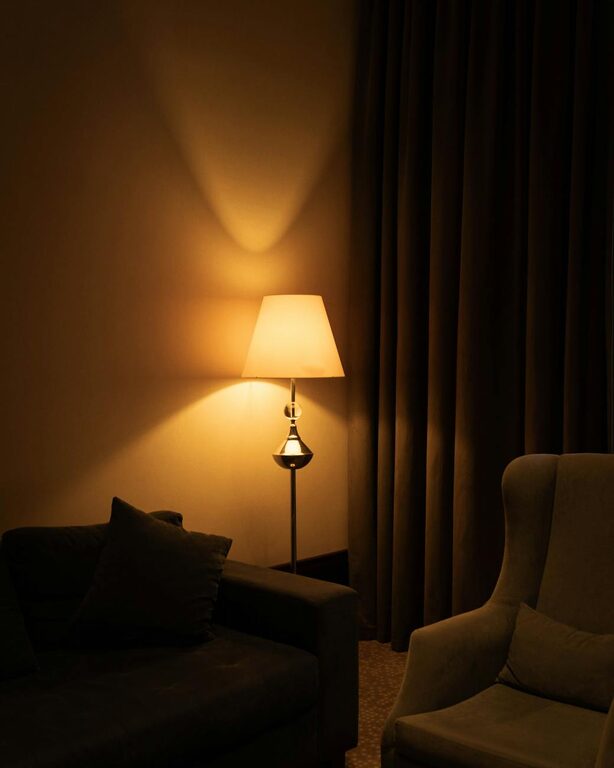
– Lighting: Incorporate adjustable task lighting alongside natural light to reduce eye strain.
Personalising helps create a pleasant atmosphere that encourages productivity.
5. Minimise Distractions
Identifying and reducing distractions is key to maintaining focus.
– Digital Distractions: Use apps or settings to limit notifications on your devices during work hours.
– Noise Control: Consider noise-cancelling headphones or a white noise machine if ambient noise is unavoidable.
– Household Rules: Communicate your working hours and boundaries to family members or roommates.
These steps can help you stay engaged with your tasks and manage your time effectively.
6. Set Up Technology Efficiently
Your tech setup should support your workflow seamlessly.
– Reliable Internet: A stable and fast internet connection is essential for video calls and online tasks.
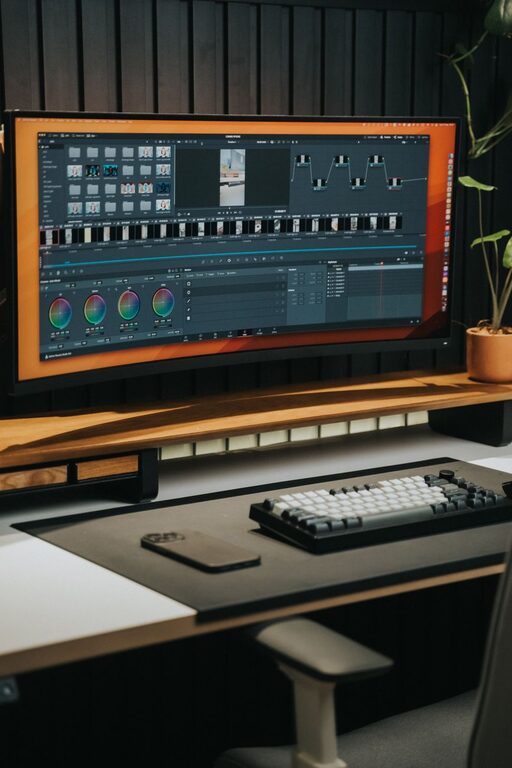
– Quality Equipment: Invest in a good monitor, keyboard, mouse, and headset tailored to your work.
– Organised Devices: Keep chargers, external drives, and other peripherals easily accessible but organised.
Regularly update your software and backup important files to avoid disruptions.
7. Incorporate Movement and Breaks
Staying physically active boosts concentration and reduces fatigue.
– Regular Breaks: Follow techniques like the Pomodoro method (25 minutes work, 5 minutes break) to maintain focus.
– Stretching: Stand up, stretch, or walk briefly to ease muscle tension.
– Movement Tools: Consider a standing desk or balance ball chair to vary your posture during the day.
Balancing work with movement promotes both health and productivity.
8. Maintain a Routine
Creating and sticking to a routine helps separate work from personal life.
– Consistent Hours: Start and end work at regular times.
– Morning Ritual: A simple routine before starting work can prepare your mind.
– Defined Workspace: Use your home office solely for work when possible to reinforce focus.
A routine provides structure and can improve work efficiency.
Final Thoughts
Designing a productive home office environment is a mindful process that balances comfort, functionality, and personal preferences. By choosing the right location, investing in ergonomic furniture, reducing distractions, and maintaining an organised space, you can create a supportive setting that encourages productivity and well-being. Remember to personalise your workspace and listen to your body’s needs to sustain long-term comfort and motivation while working from home.
About the Author