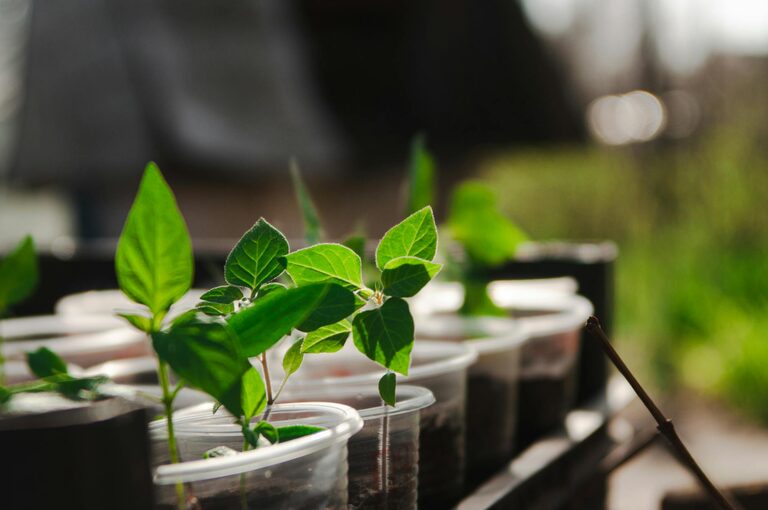
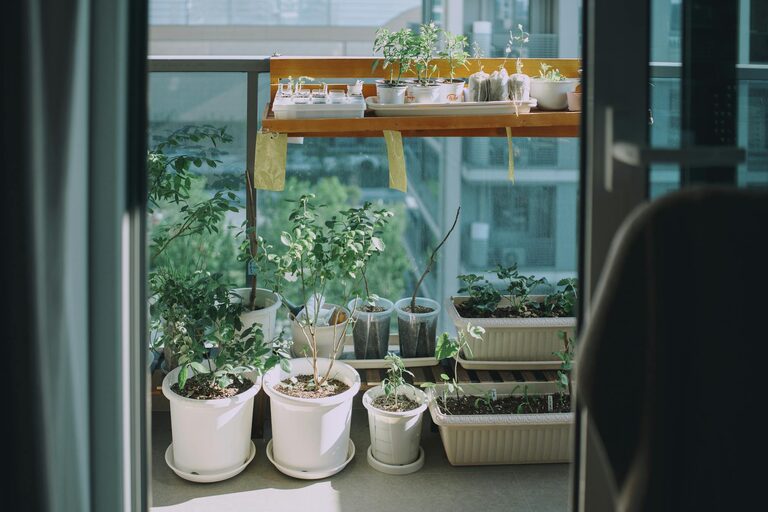
Creating a sustainable garden in a small urban space is a rewarding project that benefits both you and the environment. Even with limited room, you can cultivate plants that support biodiversity, reduce waste, and promote eco-friendly practices. This guide will share practical tips to help you establish a thriving, sustainable garden, no matter the size of your outdoor area.
Why Choose Sustainable Gardening in Urban Areas?
Sustainable gardening focuses on using resources wisely, encouraging natural processes, and reducing negative environmental impact. Urban spaces often face challenges like limited soil quality, pollution, and lack of space, but small gardens can still positively contribute by:
– Improving air quality
– Providing habitats for pollinators like bees and butterflies
– Reducing food miles by growing your own vegetables and herbs
– Minimising waste through composting and water recycling
Assess Your Space and Resources
Before planting, take stock of your environment. Even a tiny balcony, windowsill, or rooftop can become a green oasis.
– Measure your area. Knowing your space dimensions informs what containers or plants will fit.
– Check sunlight exposure. Most vegetables and flowers need 4–6 hours of direct sunlight.
– Consider wind and shelter. Strong winds can damage delicate plants; structures or screens can help.
– Identify water sources. Easy access to water will make maintaining the garden simpler.
Choose the Right Containers and Soil
Since urban gardens often rely on containers, selecting the proper pots and soil is essential.
– Use recycled or upcycled containers whenever possible, such as old buckets or wooden crates.
– Ensure containers have good drainage holes to prevent waterlogging.
– Choose a lightweight, nutrient-rich potting mix designed for container plants.
– Consider incorporating organic matter like compost to improve soil fertility.
Select Plants Suited for Urban and Small Space Gardening
Pick plants that suit your climate, light conditions, and the scale of your garden.
– Herbs and leafy greens such as basil, parsley, spinach, and lettuce are compact and quick to grow.
– Root vegetables like radishes and carrots can thrive in deep pots.
– Pollinator-friendly flowers, such as marigolds and nasturtiums, encourage biodiversity.
– Opt for native plants where possible, as they adapt better and support local wildlife.
Maximise Vertical and Layered Gardening
When horizontal space is limited, use vertical solutions.
– Install wall-mounted planters, trellises, or hanging baskets to grow climbing plants like peas or beans.
– Use stackable pots or tiered plant stands to create layers and maximise area.
– Try window boxes to add greenery without occupying floor space.
Practice Water Conservation
Water can be a precious resource in urban settings, so sustainable gardens focus on efficiency.
– Use rainwater harvesting systems, such as barrels, to collect and reuse water.
– Water plants during early morning or late evening to reduce evaporation.
– Apply mulch to container soil surfaces to retain moisture.
– Consider installing drip irrigation for targeted watering.
Compost to Reduce Waste and Enrich Soil
Composting transforms kitchen scraps and garden waste into valuable fertiliser.
– Set up a small indoor compost bin or worm composter for limited spaces.
– Avoid composting meat, dairy, or oily foods.
– Use finished compost mixed into your soil to provide nutrients.
Embrace Organic and Chemical-Free Practices
Avoid synthetic pesticides and fertilisers to protect your garden’s health and local environment.
– Introduce natural pest deterrents, such as companion planting or homemade sprays.
– Encourage beneficial insects like ladybirds and lacewings.
– Use organic fertilisers like seaweed extract or well-rotted manure.
Maintain and Monitor Your Garden Regularly
Consistent care helps your sustainable garden flourish.
– Prune and harvest regularly to encourage growth.
– Check plants for signs of pests or diseases early.
– Rotate crops each season to prevent soil nutrient depletion.
Additional Tips for Urban Gardeners
– Join local gardening groups or online communities for advice and seed swaps.
– Consider edible plants to save money and enjoy fresh produce.
– Incorporate aesthetically pleasing elements like recycled decorations or pebble paths to create a relaxing space.
—
By following these tips, you can transform even the smallest urban space into a sustainable and enjoyable garden. Your little patch of green can make a big difference in promoting a healthy environment and enhancing your quality of life. Happy gardening!
About the Author