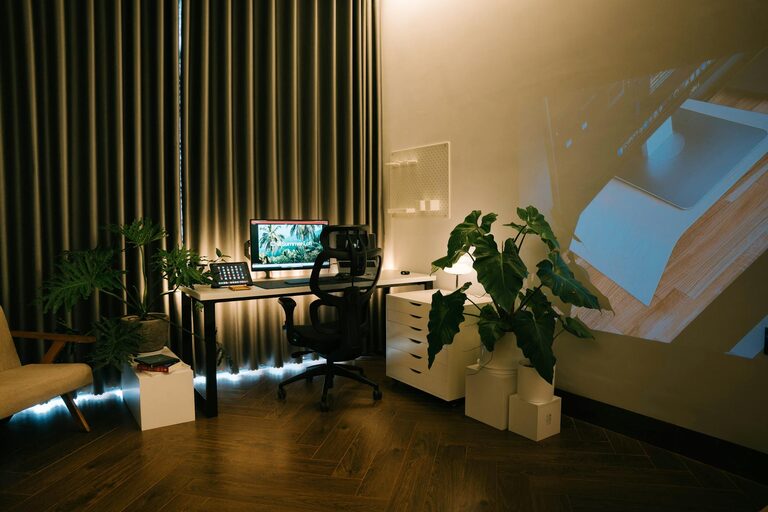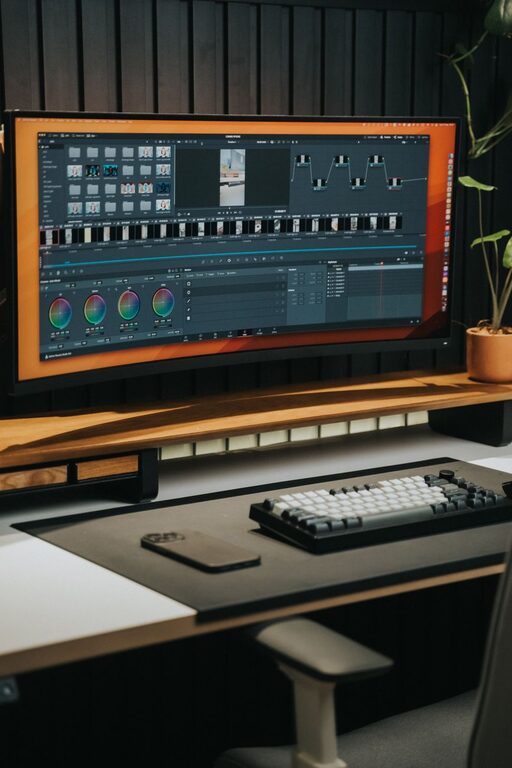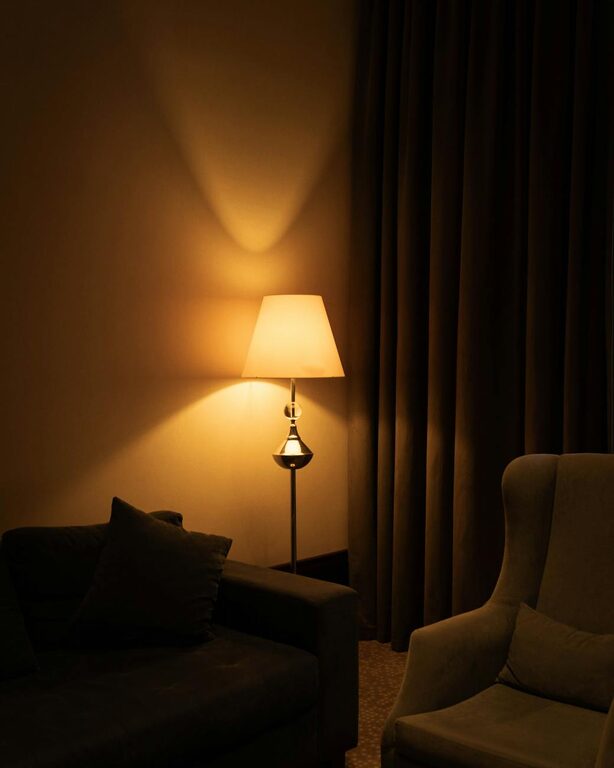
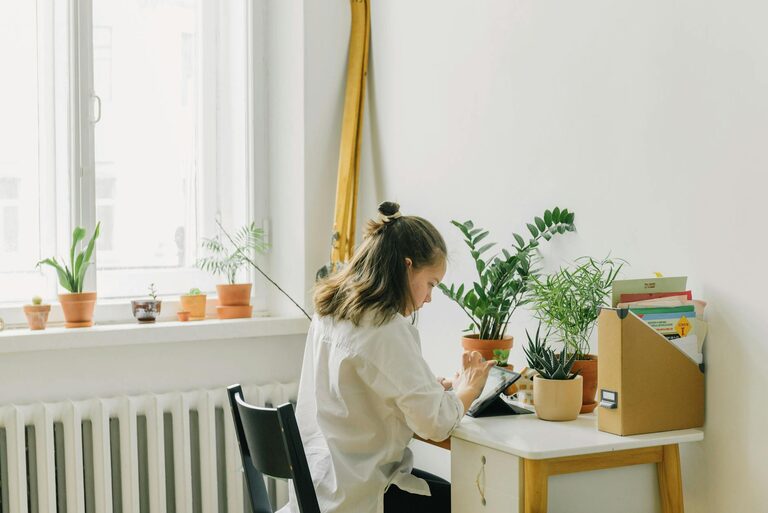
Creating a comfortable and productive home office space is essential for anyone who works remotely or spends significant time at a desk in their home. A well-planned workspace not only helps you stay focused but also supports your physical and mental wellbeing. Whether you have a dedicated room or a small corner, there are simple ways to transform it into an efficient and inviting office area. Here are practical tips to help you get started.
Choose the Right Location
The foundation of a productive home office begins with selecting the best spot in your home. Ideally, pick a quiet area with minimal distractions. If possible, choose a room with a door so you can separate work from home life. Natural light is a huge benefit, as it helps keep you alert and reduces eye strain. However, if sunlight isn’t available, ensure you have good artificial lighting that mimics daylight.
Invest in Ergonomic Furniture
Comfort is key when spending long hours working. An ergonomic chair that supports your lower back can prevent discomfort and posture issues. Your desk should be at a height where your elbows rest comfortably at 90 degrees when typing. Adjustable desks that convert from sitting to standing positions are a great option for breaking long periods of sitting.
Tips for Choosing Furniture:
– Look for chairs with lumbar support and adjustable height.
– Ensure your feet are flat on the floor or use a footrest.
– Keep your monitor at eye level to avoid neck strain.
– Use a keyboard and mouse positioned to keep your wrists straight.
Organise Your Space Efficiently
Clutter can hinder your productivity. Keep your desk tidy by using storage boxes, filing cabinets, or shelves to organise documents and supplies. Use cable management solutions to keep wires neat and out of sight. Label containers and folders to find things quickly. A clean, organised workspace helps clear your mind and promotes efficient work.
Personalise Your Environment
Adding personal touches to your home office can make the space more inviting. Consider adding plants that can improve air quality and create a calming atmosphere. Display artwork or photos that motivate you but avoid over-decorating, which can become distracting. Choose a colour scheme that you find soothing or energising, depending on your preference.
Integrate Technology Thoughtfully
Ensure your home office has the necessary technology for your work. A reliable internet connection, good quality webcam, headphones, and microphone are important if you often take calls or video meetings. Arrange your devices to avoid glare on screens and reduce reflections. Use wireless peripherals if possible to reduce cable clutter.
Set Boundaries and Maintain Routine
One challenge of working from home is balancing work and personal time. Establish clear working hours and communicate these with family members or housemates. Use a separate phone line or messaging tool for work to minimise interruptions. Consider setting routines similar to going into an office, like taking breaks and stepping away from your desk regularly.
Manage Lighting and Noise
Lighting affects both productivity and comfort. Position your workstation perpendicular to windows to avoid glare but benefit from natural light. Use adjustable blinds or curtains to control brightness throughout the day. If noise is a problem, invest in noise-cancelling headphones or add soft furnishings like rugs and curtains to dampen sound.
Keep Healthy Habits in Mind
Your workspace should support your health as well as your work. Remember to take regular breaks to stretch and move around. Hydrate consistently and consider keeping a water bottle on your desk. Pay attention to air quality by ventilating the room daily or using an air purifier if necessary.
Final Thoughts
Creating a comfortable and productive home office is about combining functionality with personal comfort. Prioritising good lighting, ergonomics, organisation, and a pleasant atmosphere can make a significant difference in your workday. With these tips, you can design a home office that not only meets your professional needs but also feels like a space where you enjoy spending time.
By investing some effort upfront, your home office can become a place of focus, creativity, and comfort—helping you work smarter and feel better every day.
About the Author